What hair therapy is, and what trichoscopy reveals
The difference between treating the strand and treating the scalp, and what appears on screen during an examination.
Reviewed August 2026 · Nelma Faleiro
The skin covering the body extends into the scalp. Treating hair while ignoring that is the central error of traditional beauty care: there is no healthy strand without a balanced scalp, and no balanced scalp without considering the person’s body, routine and way of living.
Strand and scalp are two different jobs
Repair treats what has already grown and been damaged: hydration, nutrition, rebuilding. Hair therapy treats where the strand comes from: deep cleansing, exfoliation, actives, LED and laser biomodulation, electrotherapy. Many people need both, and the order comes from the examination, not from the quote.
What appears on screen
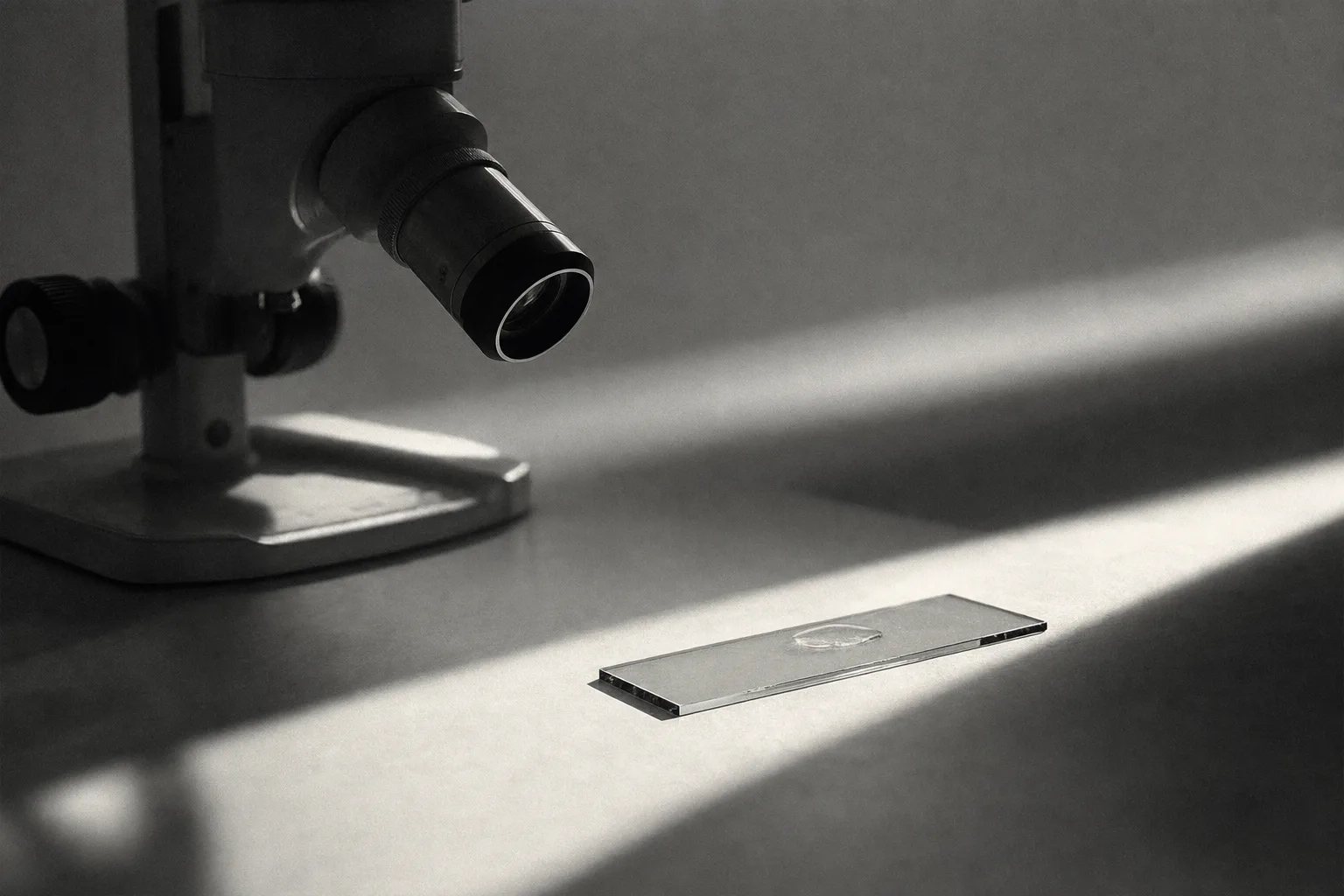
Trichoscopy magnifies the scalp dozens of times and shows what the eye cannot: how many strands emerge from each follicular unit, the difference in diameter between them (the sign of miniaturisation), the state of the follicular opening, flaking, oiliness, inflammation and signs of traction. That whole picture defines the protocol, and the screen faces the client the entire time.
What hair therapy does not do
It does not grow hair where the follicle has closed, it does not replace medical treatment and it carries no guarantee. It is an aesthetic service, and anyone claiming otherwise is selling. What it does (and does well) is improve the condition of the scalp and of the hair still growing, with results that are measured rather than felt.