
The hair is the consequence. What we treat is the ground it grows from.
Hair loss, thinning, itching, flaking and oiliness have a cause, and it is almost never the shampoo. Start with a trichoscope assessment.
Caring for hair was never only about looks. The strand and the scalp are a direct reflection of your health, your habits, your emotions and often your own history. The skin that covers the body extends into the scalp, and that is where traditional beauty care goes wrong: treating hair as if it were disconnected from physiology, biochemistry and emotion.
Why these complaints keep growing
Hair loss, thinning, dermatitis, seborrhoea, folliculitis and even scalp pain have become common complaints. That is no accident: stress, inflammatory diets, chemical overload, indiscriminate cosmetic use, pollution and an imbalanced skin microbiome are all directly linked to scalp disorders. Treating that calls for clinical, investigative work, not just another change of product.
How it works here
It starts with a 20-minute scalp assessment: a guided consultation and a trichoscope examination, with the screen turned towards you. Only after the examination do we talk about a protocol. The assessment fee is fully credited against your treatment if you decide to go ahead.
The protocol
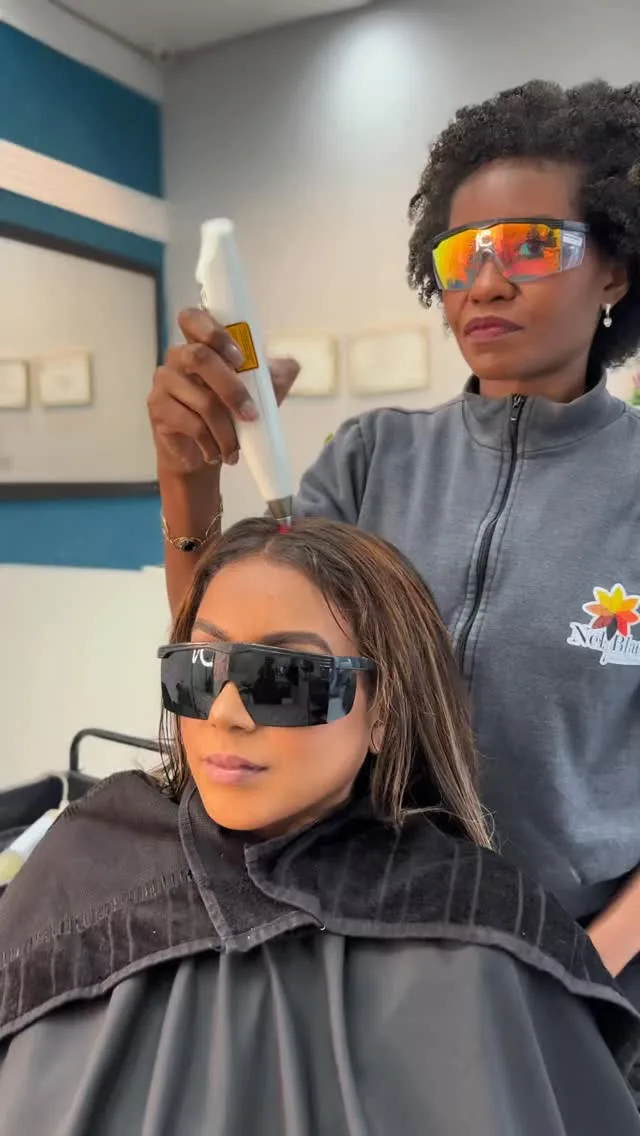
After the assessment, treatment begins. Every protocol is individual and personalised. Sessions run around two hours and combine deep cleansing, scalp exfoliation, high-performance actives, LED biomodulation and low-level laser, electrotherapy and therapeutic massage. The number of sessions varies according to what your scalp and hair need. The follicle has a cycle, and a cycle does not fit into one session. As the sessions go on you are re-assessed with the same trichoscope and we compare against the photograph from day one.
Why here
01
Diagnosis before any product
Trichoscopy with the screen facing you. You see density, strand diameter and scalp condition.
02
An individual protocol
What the examination shows defines duration, actives and technology. Two similar scalps rarely call for the same protocol.
03
Reassessment, measured
We measure again during or at the final session and compare with the image from day one. At no extra cost.
04
Led by a trichology specialist
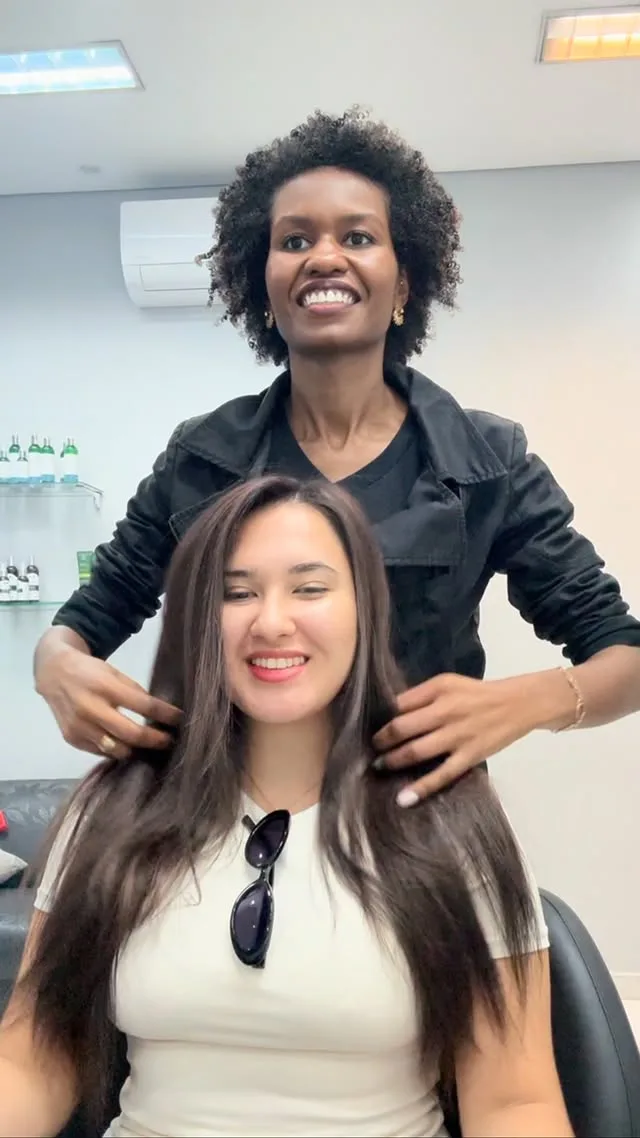
Nelma Faleiro is a specialist in Cosmetic Trichology and spent ten years teaching the subject at university level. Her research is on hair, scalp and beauty with health.
What is used
Therapeutic resources.
None of them is applied by default. The first-day examination is what decides which ones enter your protocol, at what intensity and for how many sessions.
Look before treating
Trichoscopy
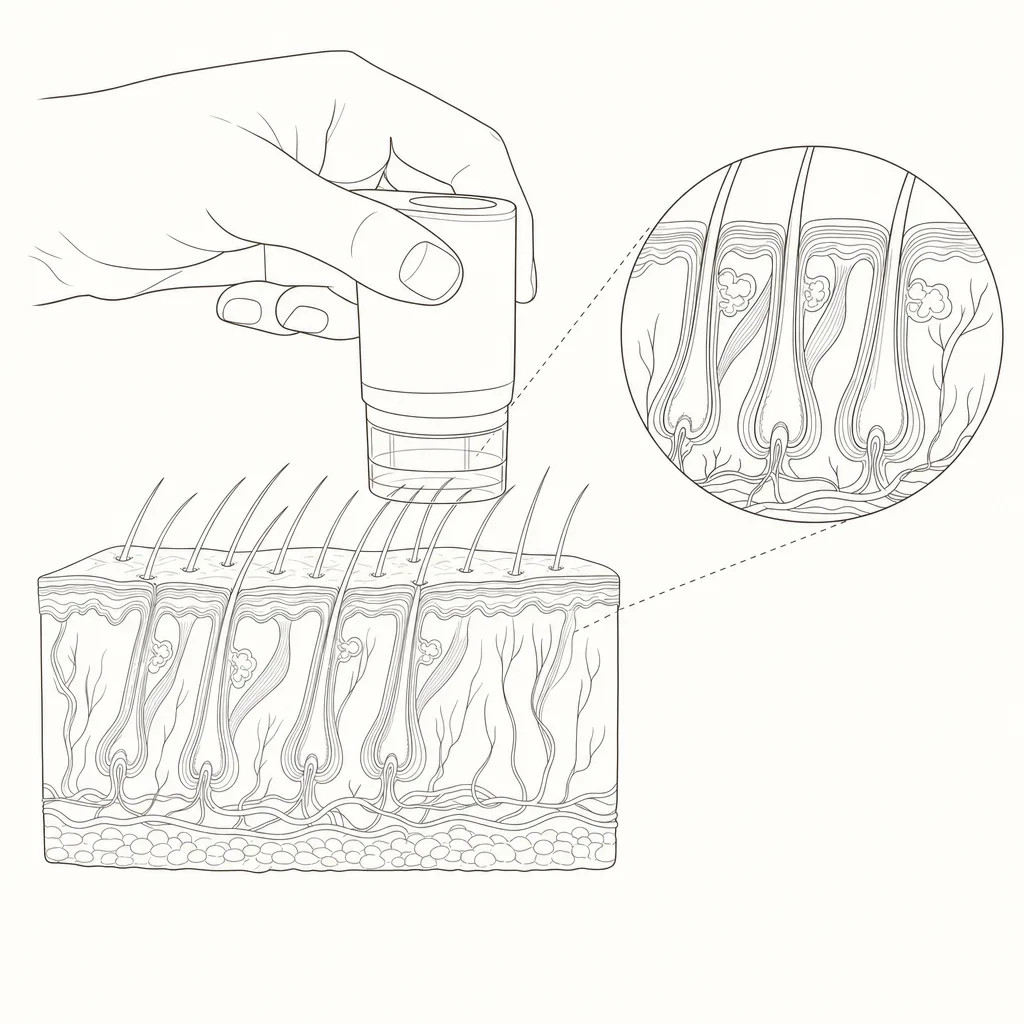
A magnifying camera shows the scalp at up to 200×: how many strands come out of each follicle, how thick each one is, whether there is flaking, oiliness or inflammation. This is the examination that tells shedding from thinning, and the record that becomes the baseline for comparing and following the progress of the treatment.
Prepares the ground
High frequency
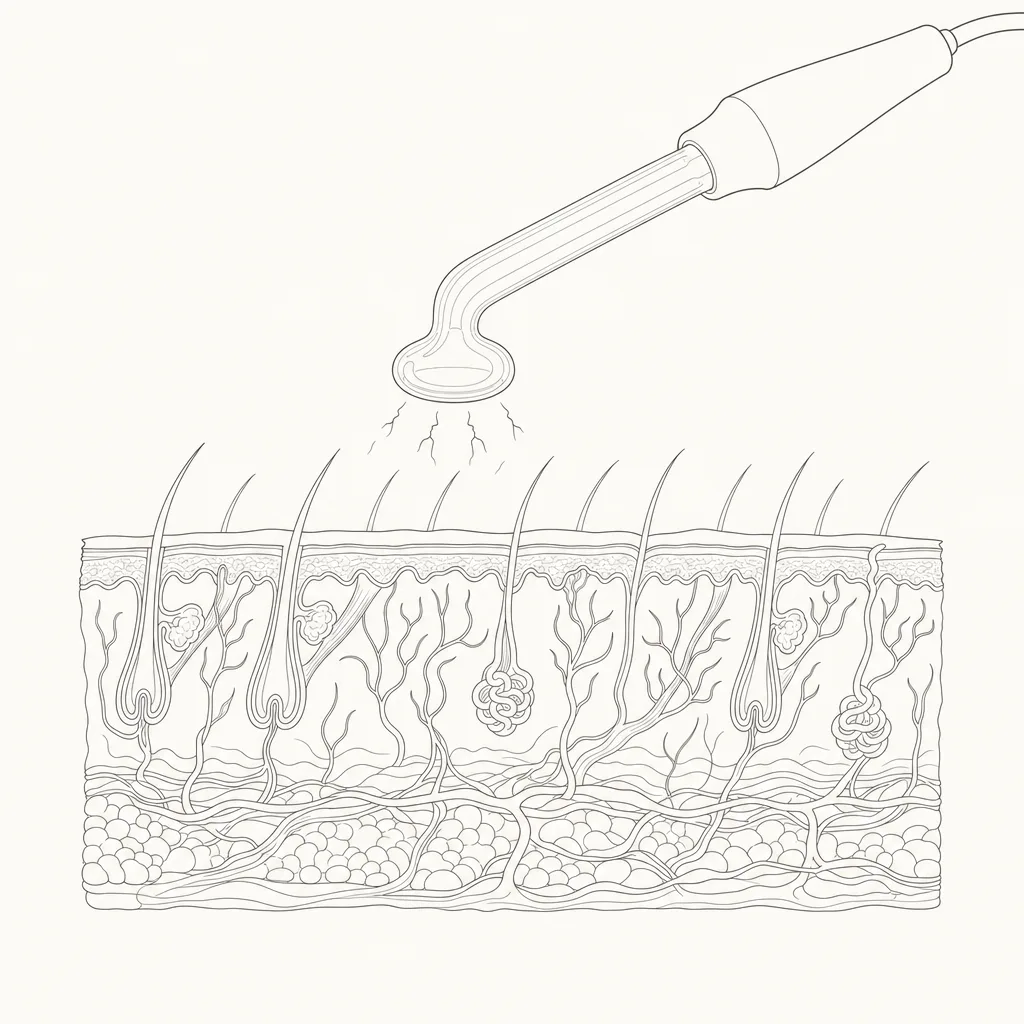
A glass electrode passes a few millimetres above the scalp and produces ozone at the skin surface. It is used when the examination shows excess oiliness or flaking: it helps settle the scalp environment before any active ingredient goes on.
What goes on the scalp
Applied actives
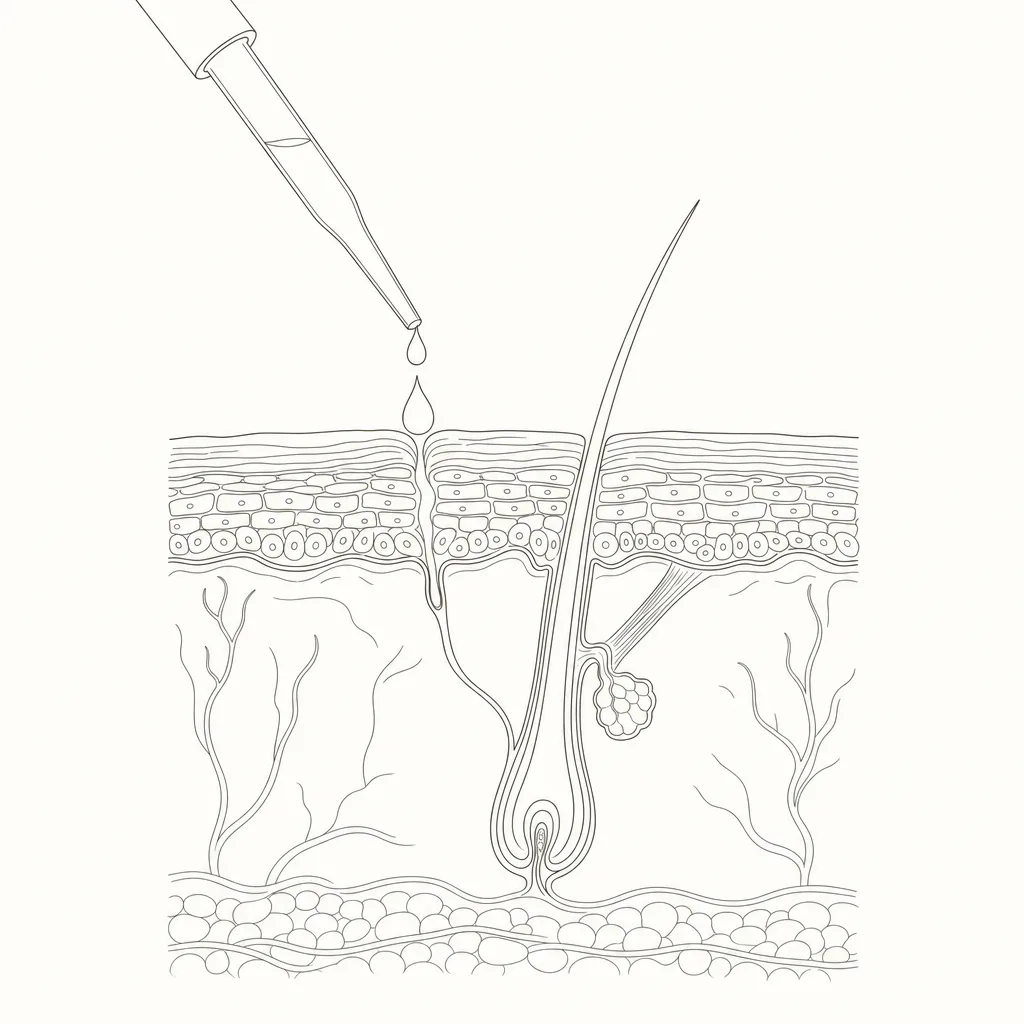
The formula is chosen from what the examination showed: every protocol is built for the case. Peptides, amino acids, antioxidants and soothing actives are combined differently depending on whether the case is shedding, thinning, chemical damage or scalp imbalance.
Helps the active in
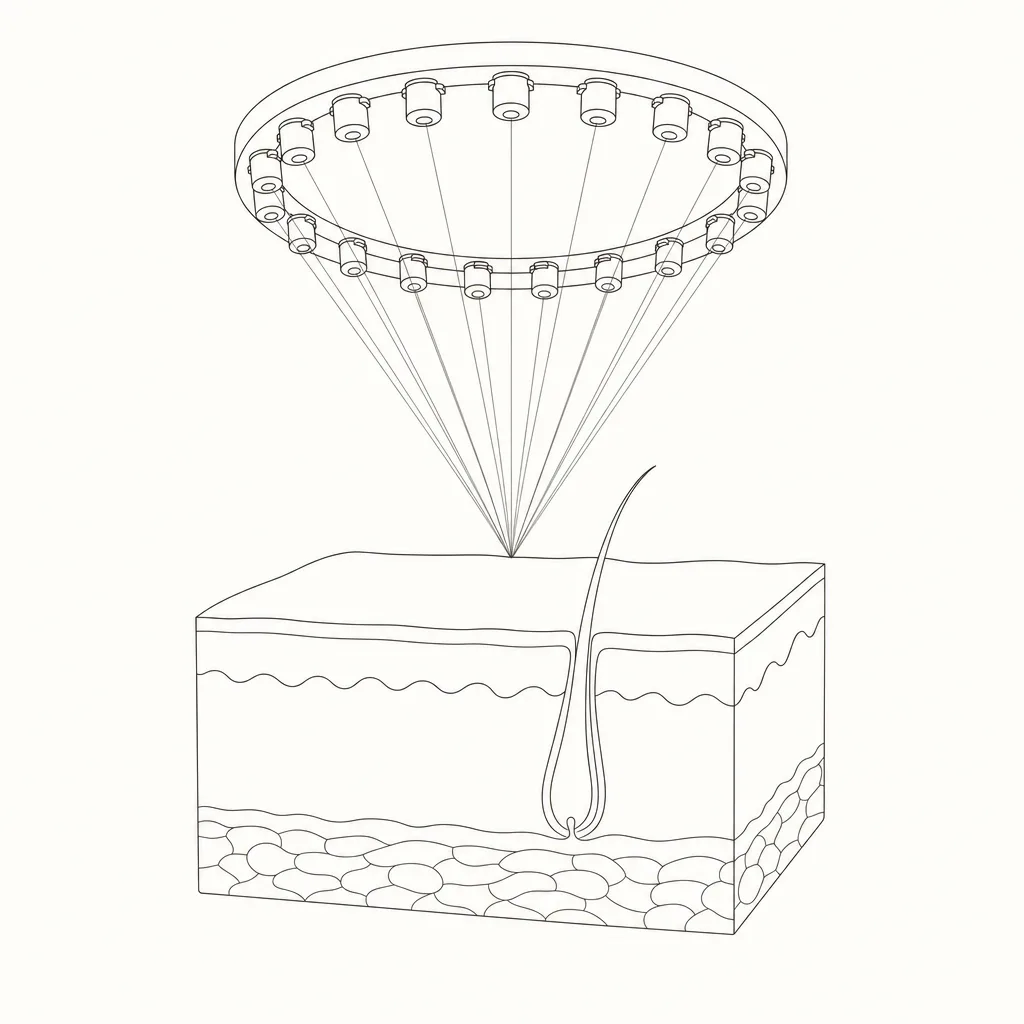
Low-level laser
Low-level red light beams (they do not heat and do not burn) reach through the first layers of skin. They are used right after the actives because they support local circulation and help the product reach the root.
Stimulates and strengthens
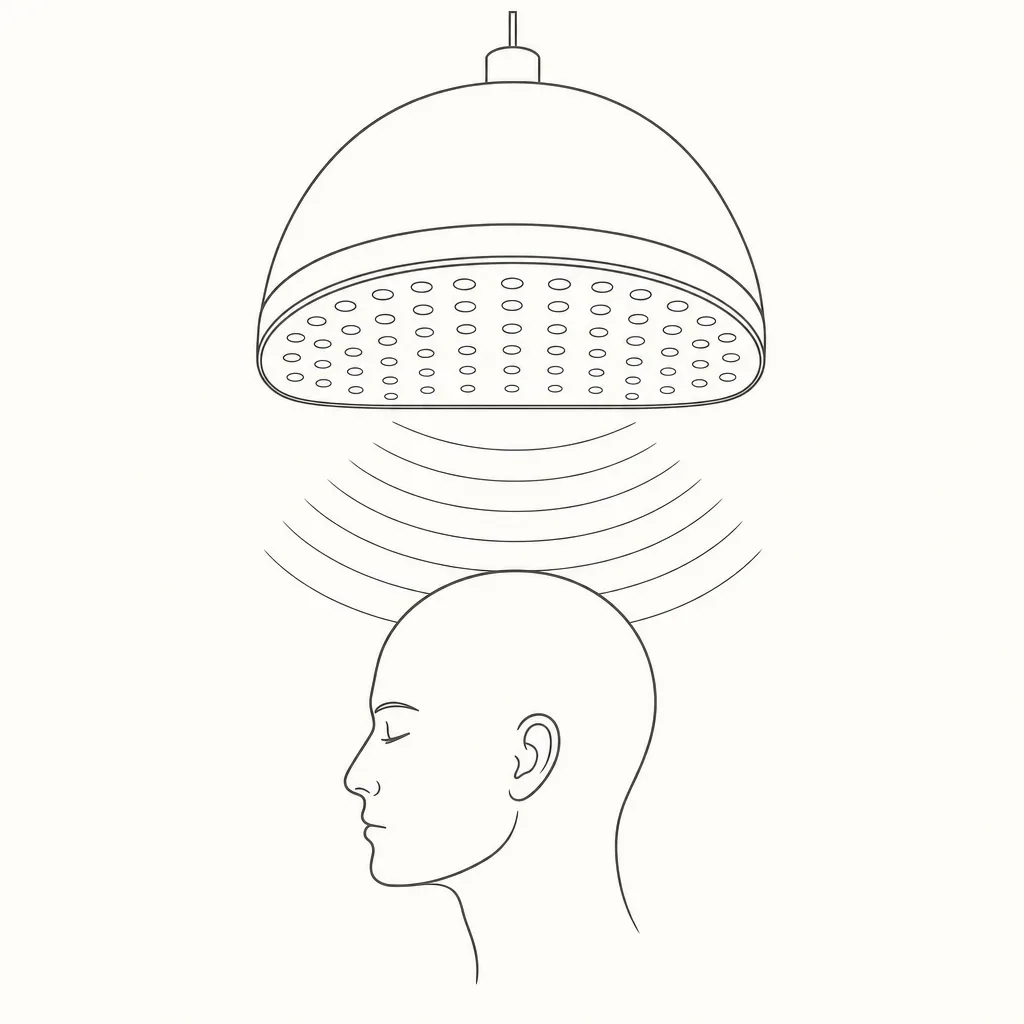
LED
It stimulates the cells of the scalp, improves blood circulation and strengthens the hair follicles. It acts directly on the mitochondria, raising cellular energy production, and improves local microcirculation, bringing more oxygen and nutrients to the roots.
Works on the follicle
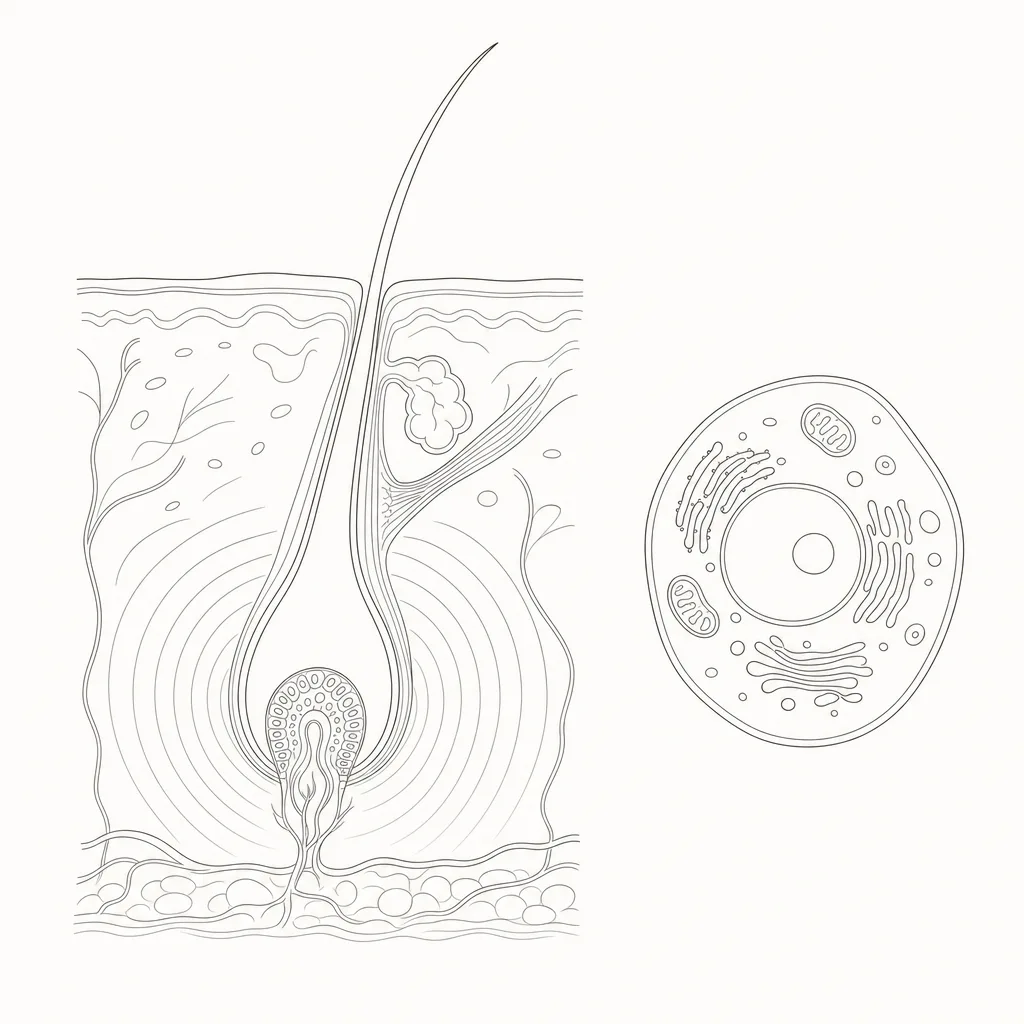
Biomodulation
This is the name for what happens when light and actives reach the bulb together: the cells there start working at a different pace. It acts on follicles that are still alive. A closed follicle does not come back, and no device changes that.
Scalp therapy is an aesthetic service and does not replace medical care. Nothing here reactivates a closed follicle. The first-day examination shows where living follicles remain and where they do not.
Our work
Nelblack e-books
To read at your own pace, at home.

No More Head Lice (e-book)
How to clear head lice and nits without restarting the cycle, written for parents and carers, not for professionals.
R$ 27 · PDF, instant download
See the e-book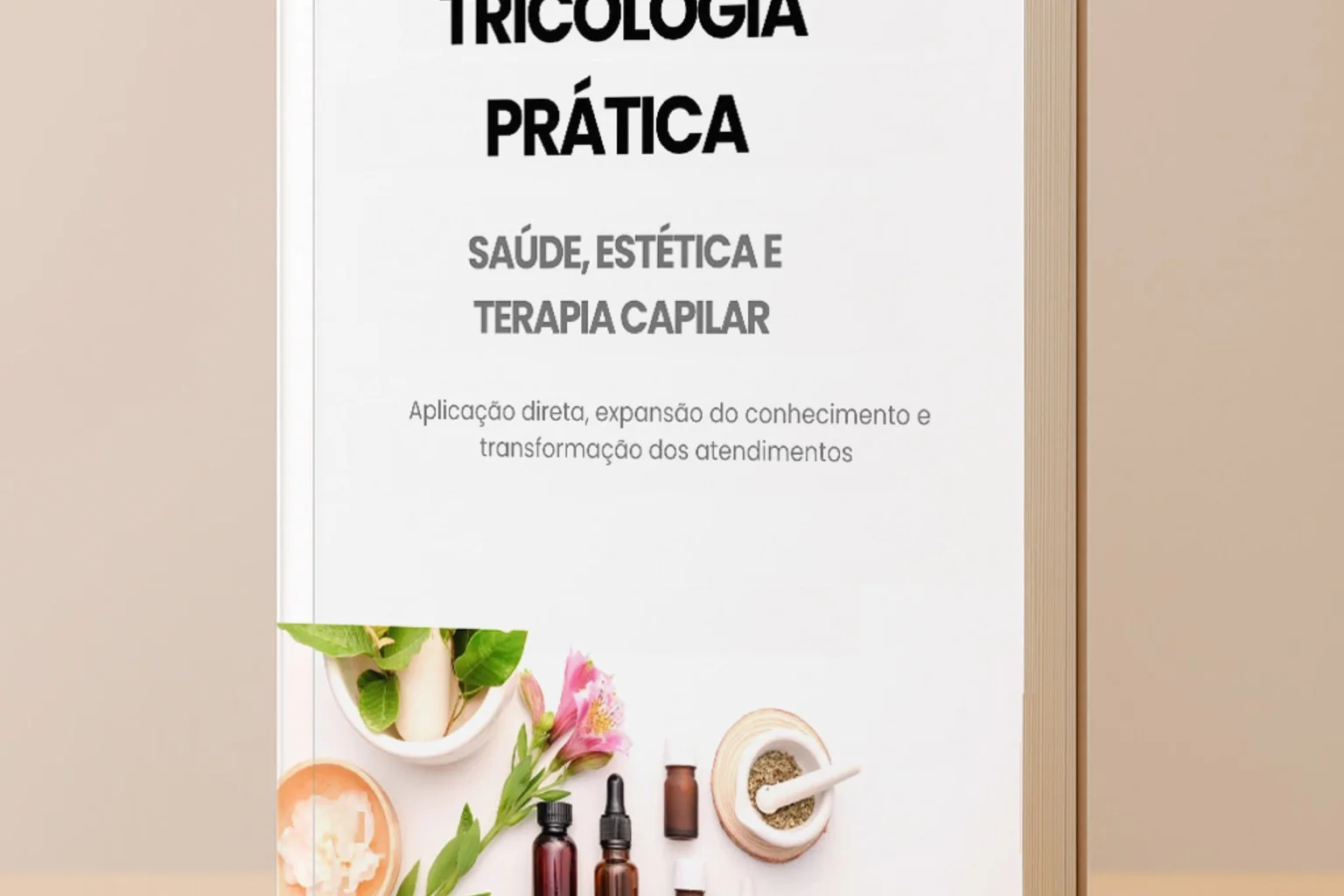
Practical Trichology (e-book)
109 pages for professionals: from hair histology to clinical reasoning and protocol design.
R$ 97 · PDF, instant download
See the e-book